Top-rated independent appliance repair across Colorado
Cooktop Repair — Book a Visit Today
We repair gas, coil and induction cooktops in Denver homes, and the fastest start is telling us which burner or zone is misbehaving. Most cooktops quit in small ways first. One burner clicks forever, a coil heats halfway, an induction zone flashes a code and shuts down, or the glass cracks where a heavy pan landed. Gas burners that burn orange instead of blue usually mean the air-to-gas mix needs attention at our altitude, not a new stove. Our visit starts with the burner you named. We test igniters, spark modules, infinite switches, element terminals, valves and control boards, then explain what we found in plain words before any part goes in. Call us.
Call (888) 352-5066- Real people on the phone
- 7 days a week
- Quote in writing before any work
Taking calls until 5:00 PM MT
The cooktop symptoms we hear most
- "It clicks and clicks but never lights" Igniter electrode, spark module, or a clogged burner port
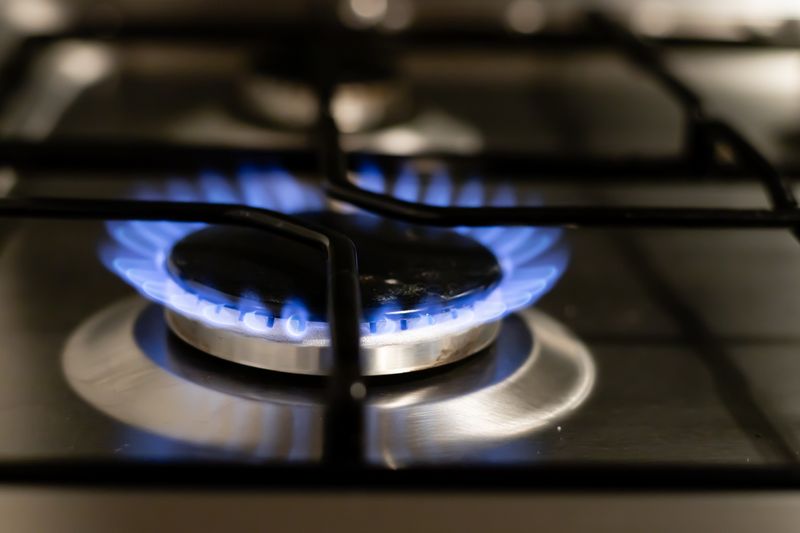
- "The flame is tall and orange, not blue" Air-shutter mix, orifice sizing for altitude, or gas supply pressure
- "One burner is dead, the rest work fine" Failed element, burnt terminal block, or a bad infinite switch
- "My induction zone throws a code and shuts off" Cooling fan blockage, thermistor fault, or inverter board failure
- "Knob is off but the element stays hot" Welded switch contacts or a shorted relay on the control board
Safe things to check first
Worth a look before you call — sometimes it saves you the visit.
- 1Verify the breaker for the cooktop hasn't tripped, since a half-tripped double breaker can kill some zones and leave others live.
- 2Look at the burner caps and ports for spilled sauce or crumbs, then let them dry fully before trying again. Dry Colorado air helps here.
- 3Check that other gas appliances light normally, which tells us whether the problem is the cooktop or the gas supply.
- 4Wipe the touch panel dry with a soft cloth, because moisture under glass controls can make buttons unresponsive.
Guides & troubleshooting
Why homeowners pick a local independent shop
| V-Hood Denver | Big-box repair chains | Handyman listings | |
|---|---|---|---|
| Written quote before any work | ✓ | ✕ | ✕ |
| Phones answered by people, every day | ✓ | ✕ | ✓ |
| Gas and electric, all major brands | ✓ | ✓ | ✕ |
| Independent shop, nobody's quota | ✓ | ✕ | ✓ |
| Local techs who know the housing stock | ✓ | ✕ | ✓ |
After the visit, in their words
“Washer walked across the floor on spin for a year. Turns out one shock absorber. Wish I had called sooner.”
Beth L.Burlington, CO“Showed up in the window they promised, wore boot covers, cleaned up the lint mess. Small things, but they add up.”
Omar F.Genesee, CO“The tech ruled out the expensive part first instead of starting with it. That earned my trust.”
Kate V.Lincoln Park, COCooktop Repair — quick answers
Can a cracked glass cooktop be repaired?
No. Cracks in ceramic glass don't get patched, so the glass top gets replaced as a unit. We check whether that part is still available for your model and inspect the elements underneath, since impact or heat stress can damage them too.
Why do my gas burners look different here than at my old house?
Denver sits high enough that combustion air is thinner. Many stoves need altitude-appropriate orifices and shutter adjustment. Without that, flames run tall and yellow, soot pans, and heat unevenly. We adjust the mix and confirm each burner burns clean.
Do you work on induction cooktops?
Yes. Induction units run on inverter boards, coils, thermistors and cooling fans. Error codes point us to the failing section. We test the board and coil before ordering, so you aren't paying for guesses about which piece quit.
Is a burner that keeps clicking after lighting dangerous?
It's a signal, not usually an emergency, but don't ignore it. A wet or cracked igniter keeps sparking because the flame sensor never confirms ignition. Turn that burner off and call us so we can inspect the electrode and module.
How do you handle cooktops built into a countertop?
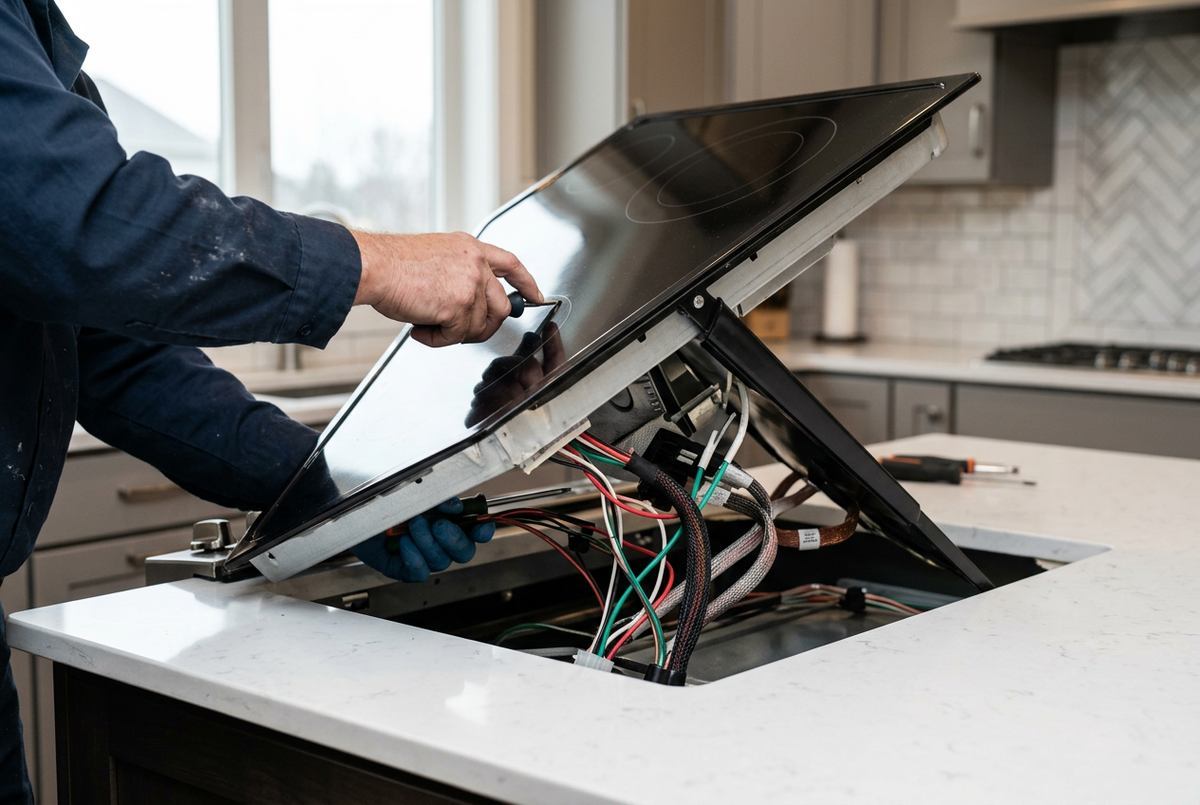
We drop the unit out from above after shutting off power or gas. Most repairs happen with the cooktop lifted and supported. If your model sits over a wall oven, we note clearances so reinstallation seals correctly.
What should I have ready when I call?
The brand, the model number from the label under the unit or in your paperwork, and a short description of which burner or zone fails. Any error code helps too. That lets us bring likely parts on the first trip.
How it works
- Step 1
Tell us the symptom
Call or fill out the form and describe the noise, the smell, or the error code. Tell us your altitude and whether the unit vents outside. Those small details decide which parts ride along on the van.
- Step 2
We diagnose on site
A technician looks at the appliance right there in your kitchen or laundry room. We test airflow, heat, drainage, and the electrical side. Then we explain the fault in plain words and lay out your repair options before a wrench comes out.
- Step 3
Repair and airflow check
Once you approve it, we do the work. Before we pack up, we run the appliance and confirm it vents, drains, and cycles the way it should. We clean up the area, then tell you what to keep an eye on next season.
- A real person answers
- Open 7 days
- Written quote before work starts
Why homeowners call us
- Rooted in kitchen ventilationHoods, ducts, and blower motors are where this shop started, and the habit stuck. We look at how air moves through your dryer vent, your fridge coils, your dishwasher drain. Blocked airflow causes more breakdowns than bad parts do.
- Built for thin, dry airColorado altitude changes how burners fire and how moisture leaves a room. Dry air also cracks gaskets and dries seals out early. We account for both when we diagnose, instead of treating your home like it sits at sea level.
- Independent and directWe are an independent repair company and we work on all major brands. No script, no upsell theater. If a repair does not make sense for the age of the machine, we say so out loud and let you decide.
- Clear talk, clean workYou get the fault explained in words you can repeat to your spouse. Drop cloths go down, we respect your floors, and dust from vent work gets vacuumed up before we leave the kitchen.
- All major brands, gas & electricIndependent service on Whirlpool, LG, Samsung, GE, Maytag, Bosch, KitchenAid and the rest.
- Straight answersNot worth fixing? We say that out loud, and often it saves you the visit fee.
Cooktop Repair
Small faults become big ones on a schedule of their own
Describe the symptoms and we'll book the visit — takes about a minute.
- A real person answers
- Open 7 days
- Written quotes
- All major brands
- Gas & electric
Rather not call? Get a free quote →